Common Epoxy Concrete Floor Problems
And How to Avoid Them
Understanding common epoxy concrete floor problems is essential if you want to avoid costly repairs, premature failure, and safety risks. In this guide, we examine the most frequent epoxy flooring issues, explain why they occur, and outline proven strategies to prevent them.
Choice for commercial, industrial, and residential areas throughout Australia and its regions that look both tough and stylish? Epoxy flooring has become a popular choice for commercial, industrial, and residential areas throughout Australia and its suburbs. When properly installed, epoxy concrete floor coverings provide durability, cleanliness, and visual appeal.
However, epoxy floors are not immune to problems. Moisture, chipping, discoloration, and cracks can quickly turn premium flooring into an expensive, big headache. This explains the most common problems with epoxy floors, how to prevent them, and how to keep your floors looking great for years.
Common epoxy concrete floor problems
- Common Epoxy Flooring Problems:
- Epoxy Floor Discoloration and Yellowing:
- Are Epoxy Floors Safe?
- Disadvantages of Epoxy Flooring:
- How to Fix Epoxy Flooring Issues?
- When to Call Professionals?
- Epoxy Floor Maintenance and Care:
- Products to Avoid:
- Preventing Future Epoxy Flooring Problems:
- Make Your Epoxy Floor Last:
Common Epoxy Flooring Problems:
Moisture Under Epoxy Flooring:
The biggest enemy of epoxy floors is moisture. Water vapour from the flooring can rise through the concrete slab and become trapped under the coating, causing bubbles, cloudiness, or complete delamination. This water vapor problem is common in Australian conditions, especially in humid or coastal areas.
Early symptoms include blisters, raised edges, and white powdery deposits on the surface. These problems often increase after heavy rain or in humid weather. Once moisture damage first appears, it rarely stops without proper treatment.
Why Moisture Testing Matters?
Concrete must be tested before applying an epoxy concrete floor coating. Industry standards require moisture levels to stay within safe limits to ensure adhesion. Skipping this step is one of the main reasons epoxy floors fail prematurely.
Epoxy Floor Discoloration and Yellowing:
Discoloration is another frequent complaint, mainly in light-colored or clean epoxy systems. Prolonged exposure to sunlight causes preferred epoxy resins to yellow over the years. Australia’s sturdy UV ranges boost this system, specifically near windows, roller doors, and skylights.
Chemical publicity can also stain epoxy flooring. Tire marks, harsh cleaners, and incompatible chemical compounds might also cause permanent shade modifications. Once yellowing units are in, it may be tough to reverse without recoating.
UV Exposure and Epoxy Floors:
Standard epoxy is not naturally UV-stable. Without additional protection, even indirect sunlight can cause fading and uneven color patches across the floor.
Peeling, Bubbling, and Delamination:
Peeling epoxy flooring is nearly always linked to negative floor preparation. If the concrete is dusty, oily, or previously sealed, the epoxy can’t bond well. Over time, the coating lifts away from the slab.
Temperature and humidity during installation additionally depend. Applying epoxy in excessive warmth, cold, or excessive humidity interferes with curing and weakens adhesion. These disasters may also seem months after setup.
Early Warning Signs:
Hollow sounds when tapped, small air pockets, and curling edges often indicate delamination. Addressing these signs early can prevent widespread failure.
Cracking and Chipping:
Concrete clearly shows movements due to temperature changes and ground motion. Epoxy coatings can’t stretch indefinitely, so cracks within the slab often mirror through the floor. This is common in areas with reactive soils or huge temperature swings.
Impact harm is another motive. Dropped gear, heavy systems, and car visitors can chip epoxy flooring over the years. High-pressure zones consisting of loading areas and workshops are most prone.
Are Epoxy Floors Safe?
Slip Resistance and Compliance:
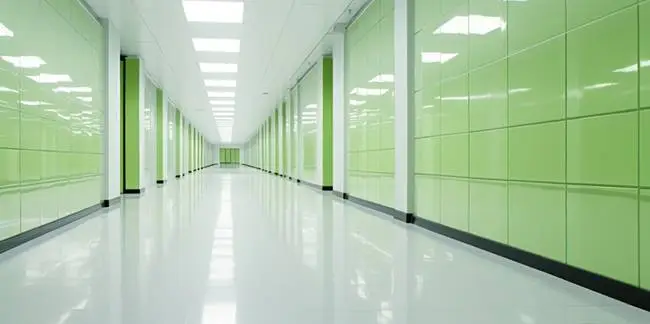
Security is an important factor, especially in a business environment. Epoxy flooring can be slippery when wet unless it is designed with the right texture. Australian regulations require specific slip safety ratings depending on the application.
Decorative and industrial systems can include aggregates to improve grip without compromising appearance. When properly designed, epoxy floors can meet safety standards while being easy to clean.
Chemical Safety and VOCs:
During setup, epoxy merchandise launch fumes require airflow and shielding measures. Once absolutely cured, epoxy floors are generally inert and secure for regular use.
Low-VOC systems are often favored for houses, places of work, and sensitive environments. Proper curing is essential before allowing complete occupancy.
Disadvantages of Epoxy Flooring:
Installation Sensitivity:
Epoxy floors aren’t forgiving. Mixing errors, timing errors, or terrible environmental control can cause everlasting defects. DIY installations frequently fail due to the fact that floor guidance is underestimated.
Australian weather provides for every other mission. High humidity, fast temperature changes, and seasonal rain can disrupt setup schedules and curing instances.
Long-Term Wear:
While long-lasting, epoxy floors do display wear over time. Scratches, stupid patches, and visitor patterns emerge as visible in busy areas. Decorative finishes may additionally require periodic recoating to maintain appearance.
Color fading can also arise, especially in sunlit areas. Epoxy floors are long-lasting; they’re no longer maintenance-free.
How to Fix Epoxy Flooring Issues?
Minor Repairs:
Small chips and scratches can often be fixed with spot treatment. These repairs include cleaning, light sanding, and careful application of matching epoxy. This works best for isolated injuries.
Discoloration caused by surface contamination may respond to special cleaning. However, deeper stains or UV damage usually require repainting.
When to Call Professionals?
Large-scale peeling, moisture troubles, or structural cracking ought to in no way be overlooked. These problems require professional evaluation and equipment for restoration. Attempting DIY repairs in these instances frequently makes the harm worse.
If safety, durability, or compliance is compromised, expert intervention is crucial.
Epoxy Floor Maintenance and Care:
Cleaning Non-Slip Epoxy Floors:
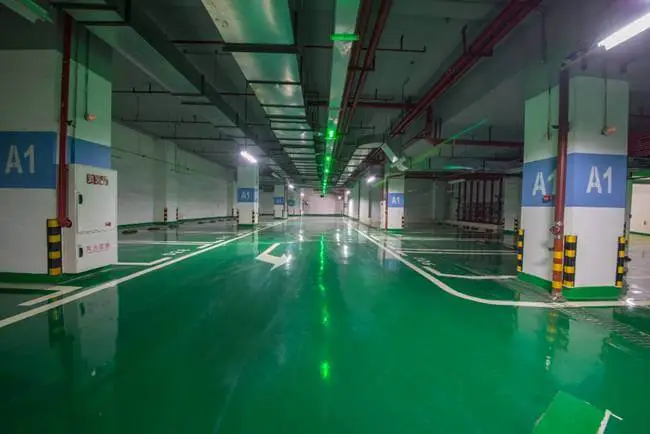
Routine cleaning keeps epoxy floors looking professional and extends their lifespan. Loose dirt needs to be removed regularly to prevent abrasion. Use pH-impartial cleaners and avoid harsh chemical substances.
Textured surfaces require gentle scrubbing to do away with particles trapped inside the profile. Thorough rinsing prevents residue buildup that may dull the finish.
Products to Avoid:
Acidic cleaners, citrus products, abrasive pads, and steam cleaning can damage epoxy surfaces. These methods often cause clouding or premature wear.
Preventative Maintenance:
Regular inspections help catch problems early. Check high traffic areas, edges, and joints for signs of wear or cracks. Quick repairs prevent minor problems from spreading.
Protective mats, furniture cushions, and designated traffic routes significantly reduce surface damage. Preventive treatment is far more cost-effective than replacement.
Best Practices for Epoxy Over Concrete:
Surface Preparation:
Surface preparation determines the success of any epoxy concrete floor coating Melbourne. Concrete must be mechanically ground to open pores and remove contaminants. This creates the texture needed for strong adhesion.
Moisture testing, pH checks, and contamination assessments should always be completed before installation. Shortcuts at this stage almost guarantee future failure.
Choosing the Right System:
Different environments require different epoxy systems. Decorative areas prioritize aesthetics, while industrial spaces require high durability and chemical resistance.
Australian climatic conditions also affect the product range. Humid, coastal, and high UV environments require systems designed to handle these stresses.
Preventing Future Epoxy Flooring Problems:
Pre-Installation Checklist:
Before setting up, verify concrete condition, moisture levels, and environmental stability. Testing and documentation guard each overall performance and warranty.
Stable conditions during application and curing are just as crucial as practice.
Post-Installation Care:
New epoxy flooring needs time to fully cure. Avoid heavy visitors, moisture, and aggressive cleansing throughout the early tiers.
Watch for early warning signs and symptoms, including cloudiness, tender spots, or cracking. Addressing issues promptly can help prevent costly repair charges.
Make Your Epoxy Floor Last:
When installed and maintained correctly, epoxy flooring offers exceptional durability and visual appeal. Understanding common epoxy concrete floor problems—and how to prevent them—makes the difference between long-term performance and early failure.
Epoxy flooring gives top-notch durability and visual enchantment when mounted and maintained effectively. Understanding not unusual problems, realistic boundaries, and proper care makes all the difference between lengthy-time period overall performance and early failure.
If you’re planning a new installation or facing issues with an existing floor, choosing the right epoxy concrete floor coating and applying it correctly is critical. Take action today by consulting experienced professionals for epoxy concrete floor coating, planning proper surface preparation, and maintaining your epoxy concrete floor coating to protect your investment and ensure lasting results.
Image by aleksandarlittlewolf on Freepik